

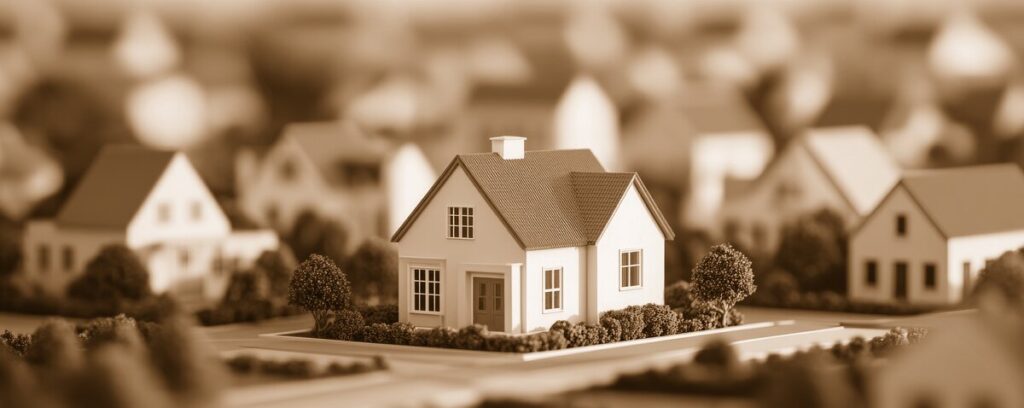
Discovering Westland Farm: A Neighborhood with Deep Roots
Nestled on the western edge of Mount Holly, North Carolina, Westland Farm is a neighborhood that may seem modern at a glance, but its story is woven into the fabric of the town’s agricultural legacy. For residents and visitors alike, its tree-lined streets and inviting homes are more than suburban comfort—they are chapters in the continuing tale of Mount Holly’s western frontier.
The Origins: From Farmland to Family Homes
Decades before Westland Farm became a sought-after residential address, its land was part of Gaston County’s fertile farmlands. The area’s gentle hills and rich soil once belonged to family farmers who raised everything from cotton to dairy cows. In the early to mid-20th century, as Mount Holly grew, the farmland west of the Catawba River remained largely rural, with dirt roads winding through pastures and woodlots.
The name “Westland Farm” pays homage not only to its position just west of downtown Mount Holly but also to its past as working farmland. Local accounts suggest the name was inspired by one of the original farms operated by the Westland family, a group of early twentieth-century landowners and agricultural innovators. The Westlands were known for pioneering advanced crop rotation techniques and for their hospitality—neighbors recall gatherings for harvest celebrations in the fields where houses now stand.
Early Development: The Seeds of a Neighborhood
The transformation from farm to neighborhood began in earnest in the late 1980s and early 1990s as greater Charlotte’s growth began to ripple outwards. Developers saw promise in the gently rolling land, which offered both convenience to city amenities and the tranquility of the countryside. The first streets—Westland Farm Road and Old Farm Drive—trace the paths once used by tractors and horse-drawn wagons.
As the initial homes went up, the Westland Farm neighborhood was designed to balance the area’s rural roots with modern living. Spacious yards, mature trees, and walking trails gave a nod to open fields once cultivated by hand. Families quickly filled these homes, drawn by the community’s welcoming spirit and excellent access to Highway 273, making trips into Mount Holly and Gastonia easy.
Landmarks and Heritage Sites
Unlike neighborhoods built on blank slates, Westland Farm preserved elements of its pastoral past. One of the most cherished sites is the old Westland Barn, located near the intersection of Westland Farm Road and Buttercup Drive. While it no longer houses livestock, the restored barn serves as a venue for seasonal festivals, local arts markets, and even weddings—a living reminder of the area’s agricultural days.
Another notable landmark is the Heritage Oak, a sprawling white oak tree estimated to be over 120 years old. Thought to have shaded farmers plowing the fields long before the first home was built, this mighty tree stands at the edge of Westland Farm Park, a favorite spot for family picnics and afternoon games of soccer.
Westland Farm is also proud of its proximity to the Mount Holly Historical Society, which, while not within the neighborhood borders, actively preserves oral histories and artifacts related to Westland Farm’s transformation. In partnership with the neighborhood association, the Society curates walking tours each spring that illustrate the area’s evolution and highlight original homesteads along Old Farm Drive and Timber Hollow Lane.
Community Spirit: Events and Traditions
A standout feature of life in Westland Farm is its close-knit community atmosphere. Vestiges of the neighborhood’s farming heritage linger in annual traditions such as the Fall Harvest Festival, held on the barn lawn, where neighbors exchange homemade jams, crafts, and local honey—often produced by backyard beekeepers echoing the area’s early agricultural days.
Residents also take pride in maintaining the common green spaces that harken back to community grazing fields. The Friends of Westland Farm Park, a volunteer organization, tends the gardens around the Heritage Oak and hosts educational programs for local children on pollinator conservation and gardening.
Notable Residents and Stories
Over the years, Westland Farm has been home to a vibrant mix of families, retirees, and young professionals. Some of the neighborhood’s most beloved residents include the Chandler family, who have lived on Buttercup Drive since the first homes were finished. Mr. Chandler, a retired schoolteacher, is known for leading walking tours for new residents and sharing stories about when kids could watch fireflies from the same fields that now host Saturday afternoon soccer matches.
Another local legend surrounds “Miss Betty’s Blue House” on Magnolia Bloom Avenue. Miss Betty, a former postmistress and civic leader, painted her house a cheery sky-blue to “remind everyone of clear Carolina skies and hopeful days.” That home has become a neighborhood icon, and Miss Betty’s annual porch concerts in the spring remain a beloved tradition.
Evolution Through the Decades
Since its founding, Westland Farm has shaped and been shaped by Mount Holly’s ongoing growth. The neighborhood has seen new street additions—like Holly Ridge Lane and Garden Crest Court—expand its borders. Where farm silos once stood, you’ll now find pocket parks and community walking paths. Yet, amid these changes, the community’s commitment to preserving its heritage is strong, visible in the careful restoration of older structures and the continuation of parkland.
Schools just a short drive away—like Mount Holly Middle and Ida Rankin Elementary—provide another link to the area’s communal roots, fostering intergenerational bonds and ensuring that children grow up with a sense of place and pride in their surroundings.
What Makes Westland Farm Special
To walk through Westland Farm today is to appreciate how past and present blend seamlessly. Families wave from porches; children ride bikes under century-old oaks; neighbors swap garden tips, just as farmers once shared the latest news on crop yields.
What truly sets Westland Farm apart is its enduring sense of belonging—a place where the land is honored, stories live on, and the warmth of community life welcomes newcomers and celebrates longtime residents alike. As Mount Holly continues to prosper, Westland Farm stands as a living tribute to the town’s rich, rural history and the vibrant, connected future it embraces.